
الرياض، المملكة العربية السعودية – يسدل الموسم الثامن من بطولة العالم إيه بي بي فورمولا إي الستار في كوريا الجنوبية في نهاية هذا الأسبوع مع انطلاق سباق الجائزة الكبرى لهانا بنك سيول 2022، حيث سيتم تتويج السائق والفريق البطل للموسم الثامن من جهة، والاحتفاء بوصول أول سلسلة سيارات كهربائية بالكامل في العالم إلى حاجز الـ 100 سباق يوم الأحد.
شهد الموسم الثامن تنافس 11 فريقاً يضم 22 سائقاً ليكون أكبر موسم سباقات في بطولة العالم إيه بي بي فورمولا إي حتى الوقت الراهن. تنطلق الجولتان النهائيتان 15 و16 يومي السبت والأحد، ولا يزال اللقب لم يحسم بعد، مع تقارب نتائج السائقين الأربعة الذي يتنافسون على صدارة الترتيب.
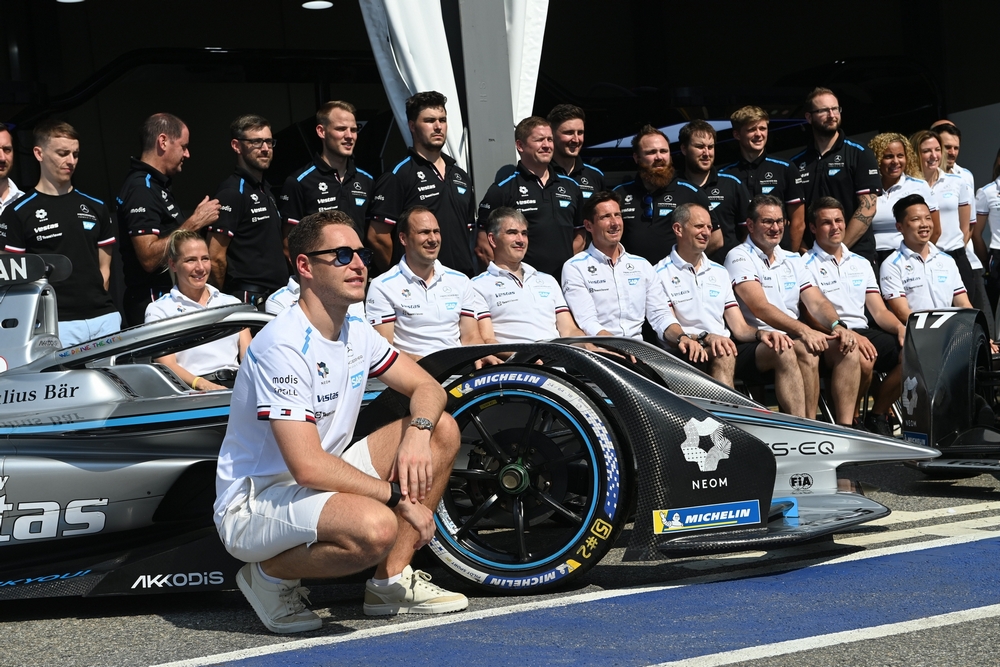
تقام بطولة العالم إيه بي بي فورمولا إي في كوريا الجنوبية لأول مرة منذ تأسيسها، ضمن مسار فريد تم بناؤه بطريقة مبتكرة ليعبر السائقون خلال ملعب جامسيل الأولمبي وحوله. وتعد بطولة العالم إيه بي بي فورمولا إي أول حدث رياضي يُقام في هذا المكان منذ استضافة الألعاب الأولمبية في 1988.
يتصدر ستوفيل فاندورن، سائق فريق “مرسيدس إي كيو”، الترتيب العام للسائقين حالياً، ويحاول جاهداً لتحقيق مزيد من الانتصارات المتتالية لفريقه بعد النجاح في بطولة العالم للسائقين والفرق العام الماضي في الموسم السابع، وقد تمكن السائق البلجيكي من تعزيز تقدمه إلى 36 نقطة بعيداً على أقرب منافسيه ميتش إيفانز سائق فريق “جاجوار رايسينج” خلال مجريات السباق الذي أُقيم برعاية سابك في لندن قبل أسبوعين والذي شهد تعثر ميتش بسبب مشكلة فنية في سيارته.
تحقيق النتائج والنقاط في كافة السباقات أمر بغاية الأهمية في بطولة العالم إيه بي بي فورمولا إي، فقد حقق فاندورن فوزاً واحداً فقط هذا الموسم، بينما حقق ميتش إيفانز سائق فريق “جاجوار رايسينج” والسائق السويسري إدواردو موراتا سائق فريق “روكيت فينتوري رايسينج” ثلاثة انتصارات، لكن فاندورن يمتلك أكبر عدد مرات من التواجد على منصات التتويج، إذ سجل في 13 مناسبة هذا الموسم، وحصل على جائزة شرف من دانيال أبت لتقديمه أداءً ثابتاً وتحقيقه أكبر عدد من النقاط في تاريخ البطولة. على سبيل المثال فقد أسفرت الجولات الأربع الأخيرة لفاندورن عن تواجده ضمن المراكز الأربعة الأولى، منها التتويج في مناسبتين معززاً حضوره، ومثبتاً تفوق فريقه.
يسعى فاندورن إلى تقديم أداء مميز في السباق القادم، لأنه يعلم أهمية حصوله على لقبه الأول في بطولة العالم ليس بالأمر المؤكد في سيول، حيث ستتأثر إستراتيجية السباق بالرطوبة العالية مع توقعات بهطول أمطار غزيرة وبمستويات غير مسبوقة هذا الأسبوع. سيتطلب الأمر تخطيطاً متميزاً ودقةً في القيادة.
لم يتمكن ميتش إيفانز سائق فريق “جاجوار رايسينج” من الاقتراب من فاندورن في السباق الماضي، بسبب مشكلة فنية أثرت بشكل كبير على حظوظه في انتزاع المركز الأول. بداية السباق كانت مبشرة بالنسبة له إذ تمكن من الوصول إلى المركز الرابع محرزاً تقدماً بـ 22 نقطة، أي أقل من فاندورن بنحو 14 نقطة، لكن مشكلة في نهاية الجولة 14 جعلته يخرج من المركز الرابع لينهي السابق دون تسجيل أي نقطة لصالحه.
الفرصة لا تزال متاحة لإيفانز، إذ أنه سائق متميز وسبق له الهيمنة على سلسة من السباقات خلال الموسم الحالي، وعلى الأخص سباق روما، لكن المخاطر أكبر بكثير هذه المرة، إذ لا يتعين على فاندورن سوى التفوق على سائق جاجوار في الجولة 15 حتى تنتهي المعركة.

يتربع حالياً في المركزين الثالث والرابع في الترتيب العام للسائقين كل من السائق السويسري إدواردو موراتا من فريق “روكيت فينتوري رايسينج”، وجان إريك فيرن سائق فريق “دي.إس تكيتاه” على التوالي. من الجدير بالذكر أن موراتا تصدر الترتيب في منتصف الموسم بعد انتصارين متتالين في سباقي برلين وجاكرتا. منذ ذلك الحين، تمكن السويسري من تحقيق نقطتين فقط في سباق نيويورك، ولم يتمكن من تسجيل نقاط في سباق لندن، وبالتالي لا يزال متأخراً بخمس نقاط عن إيفانز.
من جهة أخرى، حقق فيرجن أسوأ نتائج له على الإطلاق في بطولة العالم إيه بي بي فورمولا إي، ولم يحقق نقاطاً في أربع سباقات لأول مرة في البطولة. في حين تمكن السائق الفرنسي جيف من العودة إلى طعم الانتصارات هو السائق الوحيد الذي فاز ببطولة العالم مرتين، ولا يزال من الممكن أن تساهم خبرته في وضعه على منصة التتويج.
منافسات محتدمة بين الفرق
عزز فريق “مرسيدس إي كيو”، تقدمه في سباق لندن بعدما حقق كل دي فريز وفاندورن المركزين الثاني والثالث على منصة التتويج.
ويبدو أن فريق “مرسيدس إي كيو” بطريقه لتحقيق سلسة من الألقاب المتتالية بفارق 36 نقطة عن فريق “روكيت فينتوري رايسينج”، في المركز الثاني وفريق “دي.إس تكيتاه” خلفه وبفارق 11 نقطة.
لحظات تاريخية في بطولة العالم إيه بي بي فورمولا إي
سيكون السباق الثاني للجائزة الكبرى لهانا بنك سيول 2022 سباقاً للسيارات رقم 100 في تاريخ فورمولا إي. ويشكل السباق نهاية حقبة Gen2، الجيل الثاني من سيارات سباق فورمولا إي.
تضم الذكرى المئوية لسباق الجائزة الكبرى ثلاث مناسبات تاريخية هائلة على مستوى الأجيال في تكنولوجيا السيارات الكهربائية وإنجازات الاستدامة الرائدة في الصناعة قبل الظهور الأول في الموسم التاسع لجيل جديدة من أسرع سيارات السباق الكهربائية وأخفها وأكثرها كفاءة وقوة على الإطلاق Gen3.
1000 نقطة مُسجلة لصالح الفريق
نظراً لكونه السائق الوحيد الذي سيصطف على شبكة الانطلاق في نهاية هذا الأسبوع، وقد شارك في جميع سباقات الفورمولا إي التي وصلت إلى حاجز 100 سباق، لوكاس دي غراسي فوزه الأول سائق فريق” روكيت فينتوري رايسينج” في طريقة للوصل إلى تسجيل 1000 نقطة في السباق القادم. شغل البرازيلي جزءاً جوهرياً من عالم الفورمولا إي منذ اليوم الأول على تأسيس هذه البطولة الرائدة عالمياً، وسيصبح السائق الوحيد الذي تمكن من المشاركة في جميع السباقات حتى الآن بعد انسحاب سام بيرد سائق “جاجوار رايسينج” من السباق القادم إثر تعرضه للإصابة.
حقق لوكاس دي جراسي 996 نقطة في مسيرته المهنية حتى الوقت الراهن، ويطمح لكسر حاجز 1000 نقطة في ختام سباق الموسم الثامن، كما أنه يحرص في الوقت ذاته من الخروج بنتائج جيدة في السباق الختامي ووضع فريقه “روكيت فينتوري رايسينج” في منصة التتويج.
وقال دي جراسي: “أنا فخور بكوني قادراً على المنافسة لمدة ثماني سنوات حتى الآن، في بطولة حافلة بالأجواء التنافسية”.
وأضاف: “نواجه نخبة من الفرق الجيدة والتي تتمتع بمهارات وخبرات طويلة في عالم السباقات. لكننا نذهب إلى سيول تحقيقاً لهدفنا الرئيسي هو بطولة العالم للفرق، ليكون روكيت فينتوري رايسينج الفريق رقم واحد”.
واختتم بالقول: “المهمة صعبة، لكننا نسير في الطريق الصحيح، وكافة الحسابات تصب في مصلحة الفريق. سنعمل بجد لأننا ندرك تماماً كيف تسير الأمور في الفورمولا إي، كل شيء يمكن أن يحدث في الدقائق والثواني الأخيرة. علينا المحافظة على أدائنا وتقديم أفضل إمكانياتنا لنحصد لقب بطولة العالم لفريقنا”.
تحديات ومنافسات جديدة
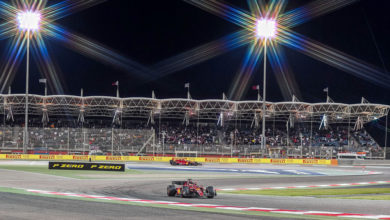
أحدث حلبة في تقويم فورمولا إي تتوجد في الحديقة الأولمبية في سيول. تبدأ اللفة بجولة فنية ضيقة قبل دخول استاد جامسيل الأولمبي حيث سيقدم المتسابقون الـ 22 عرضاً في عالم سباقات السيارات الكهربائية أمام الآلاف من المشجعين والمتواجدين في مقاعد الاستاد.
عند مغادرة السائقون مسار السباق داخل الاستاد، يواجهون مجموعة من المنعطفات الحادة التي تؤدي إلى مسارات طويلة متصلة ببعضها بزاوية 90 درجة ليلتف المتسابقون حول الحديقة الأولمبية، وتنطلق أجواء المنافسة الحقيقية للحصول على موقع حول هذا مسارات الحلبة السريعة التي تمتد بطول 2.6 كيلومتر وتضم 22 منعطف.
تشكل حلبة السباق في سيول تحديات كبيرة بسبب درجات الحرارة المرتفعة، إذ تعد أنظمة بطاريات السيارات الكهربائية ومجموعة نقل الحركة أكثر كفاءة وأداءً ضمن درجة حرارة معينة.
وسوف تتعامل الفرق الخبيرة مع ارتفاع درجات الحرارة بطرق ممنهجة من خلال استخدام السرعات بكفاءة، وتعد هذه الاستراتيجية الأنجح استخداماً في سباق نهاية الأسبوع للسائقين والمهندسين على حد سواء. سيكون هناك الكثير من العمليات والخطط التكتيكية وسيتم تشغيل بيانات المحاكاة التي تبلغ قيمتها آلاف الكيلومترات لضمان أن تكون أنماط الهجوم “ATTACK MODE” وFANBOOST واستراتيجية السباق على أهبة الاستعداد بحلول السباق الأول يوم السبت.
وسيتولى المهندسون مهمة التكيف مع المسار الجديد والاطلاع على مواصفاته في السباقات التجريبية للتأكد من كفاءة الأمور الفنية الخاصة بسيارات الفرق.
يحرص منظمو السباق من إعداد مسار الحلبة افتراضياً، ريثما يتمكنوا من الخروج على المسار الصحيح في التجارب التأهيلية لتأكد من الحسابات والعوامل الرياضية والمحاكاة الذي سبق وقاموا به منذ سباق لندن.
بالإضافة إلى ذلك، يشهد المسار الجديد جملة من التحديثات، ليكون جاهزاً في صباح السبت وقد يكون مختلفاً تماماً بحلول فترة ما بعد الظهر، وبالتأكيد بحلول يوم الأحد.
وهناك توقعات كبيرة بهطول الأمطار وارتفاع نسبة الرطوبة، ما يزيد من التحديات على السائقين وفرقهم، فضلاً عن التوقعات أن يكون السباق الختامي في سيول حافلاً بالتحديات والندية وختاماً مميزاً لموسم كامل من بطولة العالم إيه بي بي فورمولا إي الأكثر دراماتيكية حتى الآن.
مجلة سوق السيارات Souk Al Sayarat
اكتشاف المزيد من مجلة سوق السيارات.. .. عالم السيارات بين يديك
اشترك للحصول على أحدث التدوينات المرسلة إلى بريدك الإلكتروني.
Related posts: